Eclipse calendar to 2035
All upcoming solar and lunar eclipses to 2035. Times are greatest eclipse (the moment of maximum eclipse) in UTC. For solar eclipses, the totality/annularity column is the longest central duration anywhere on the path. For lunar eclipses, the eclipse length is how long the Moon spends in Earth's dark shadow (partial plus total phases); penumbral eclipses have none. Sort any column or filter by type and region.
41 of 41 | ||||||
|---|---|---|---|---|---|---|
| Date | Eclipse | Greatest eclipse (UTC) | Totality/annularity | Eclipse length | Visible from | Map |
| 6 Feb 2027 | Annular solar | 15:59:39 | 7m 51s | – | South America, Antarctica, Western and southern Africa | 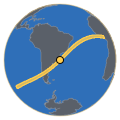 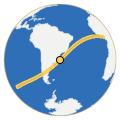 Map → |
| 20 Feb 2027 | Penumbral lunar | 23:12:57 | – | Penumbral only | Americas, Europe, Africa |   Map → |
| 18 Jul 2027 | Penumbral lunar | 16:03:00 | – | Penumbral only | Eastern Africa, Asia, Australia |   Map → |
| 2 Aug 2027 | Total solar | 10:06:41 | 6m 23s | – | Africa, Europe, Middle East | 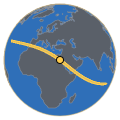 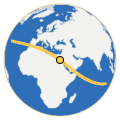 Map → |
| 17 Aug 2027 | Penumbral lunar | 07:13:50 | – | Penumbral only | Pacific, Americas | 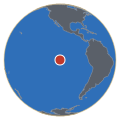 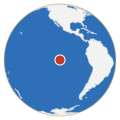 Map → |
| 12 Jan 2028 | Partial lunar | 04:13:04 | – | 56m | Americas, Europe, Africa |   Map → |
| 26 Jan 2028 | Annular solar | 15:07:50 | 10m 27s | – | Eastern North America, Central and South America, Western Europe | 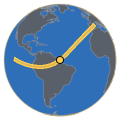 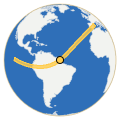 Map → |
| 6 Jul 2028 | Partial lunar | 18:19:48 | – | 2h 21m | Europe, Africa, Asia |  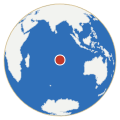 Map → |
| 22 Jul 2028 | Total solar | 02:55:31 | 5m 10s | – | Southeast Asia, East Indies, Australia | 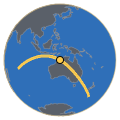 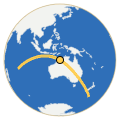 Map → |
| 31 Dec 2028 | Total lunar | 16:52:06 | – | 3h 29m | Europe, Africa, Asia |   Map → |
| 14 Jan 2029 | Partial solar | 17:12:39 | None (partial) | – | North America, Central America | 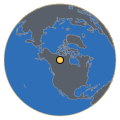 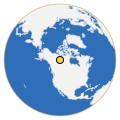 Map → |
| 12 Jun 2029 | Partial solar | 04:05:04 | None (partial) | – | Arctic, Scandinavia, Alaska | 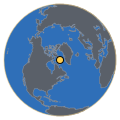 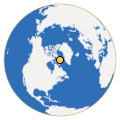 Map → |
| 26 Jun 2029 | Total lunar | 03:22:13 | – | 3h 40m | Americas, Europe, Africa |   Map → |
| 11 Jul 2029 | Partial solar | 15:36:10 | None (partial) | – | Southern Chile, Southern Argentina | 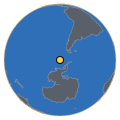 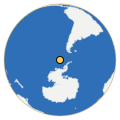 Map → |
| 5 Dec 2029 | Partial solar | 15:02:49 | None (partial) | – | Southern Argentina, Southern Chile, Antarctica | 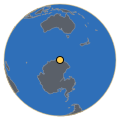 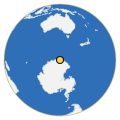 Map → |
| 20 Dec 2029 | Total lunar | 22:42:03 | – | 3h 33m | Americas, Europe, Africa |   Map → |
| 1 Jun 2030 | Annular solar | 06:28:04 | 5m 21s | – | Europe, Northern Africa, Middle East | 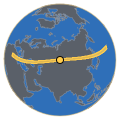 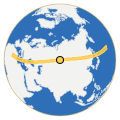 Map → |
| 15 Jun 2030 | Partial lunar | 18:33:25 | – | 2h 24m | Europe, Africa, Asia |   Map → |
| 25 Nov 2030 | Total solar | 06:50:28 | 3m 44s | – | Southern Africa, Southern Indian Ocean, East Indies | 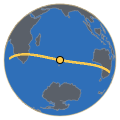 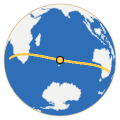 Map → |
| 9 Dec 2030 | Penumbral lunar | 22:27:42 | – | Penumbral only | Americas, Europe, Africa |   Map → |
| 7 May 2031 | Penumbral lunar | 03:50:52 | – | Penumbral only | Americas, Europe, Africa |   Map → |
| 21 May 2031 | Annular solar | 07:14:54 | 5m 26s | – | Africa, Southern Asia, East Indies | 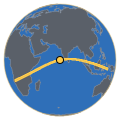 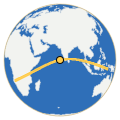 Map → |
| 5 Jun 2031 | Penumbral lunar | 11:44:07 | – | Penumbral only | East Indies, Australia, Pacific | 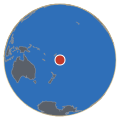 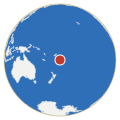 Map → |
| 30 Oct 2031 | Penumbral lunar | 07:45:35 | – | Penumbral only | Americas | 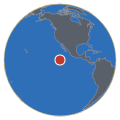 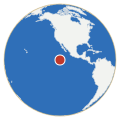 Map → |
| 14 Nov 2031 | Hybrid solar | 21:06:21 | 1m 08s | – | Pacific, Southern United States, Central America | 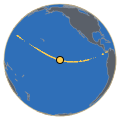 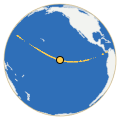 Map → |
| 25 Apr 2032 | Total lunar | 15:13:41 | – | 3h 31m | Eastern Africa, Asia, Australia |   Map → |
| 9 May 2032 | Annular solar | 13:25:32 | 22s | – | Southern South America, Southern Africa | 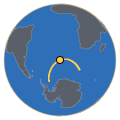 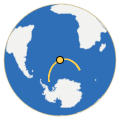 Map → |
| 18 Oct 2032 | Total lunar | 19:02:30 | – | 3h 16m | Africa, Europe, Asia |   Map → |
| 3 Nov 2032 | Partial solar | 05:33:03 | None (partial) | – | Asia | 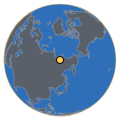 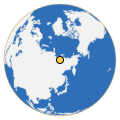 Map → |
| 30 Mar 2033 | Total solar | 18:01:26 | 2m 37s | – | North America | 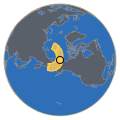 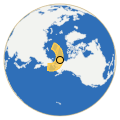 Map → |
| 14 Apr 2033 | Total lunar | 19:12:41 | – | 3h 35m | Europe, Africa, Asia |  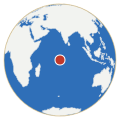 Map → |
| 23 Sept 2033 | Partial solar | 13:53:21 | None (partial) | – | Southern South America, Antarctica | 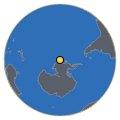 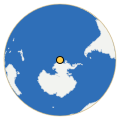 Map → |
| 8 Oct 2033 | Total lunar | 10:55:13 | – | 3h 22m | Asia, Australia, Pacific | 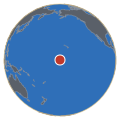 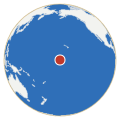 Map → |
| 20 Mar 2034 | Total solar | 10:17:35 | 4m 09s | – | Africa, Europe, Western Asia | 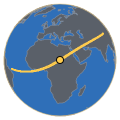 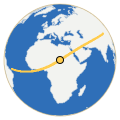 Map → |
| 3 Apr 2034 | Penumbral lunar | 19:05:49 | – | Penumbral only | Europe, Africa, Asia |   Map → |
| 12 Sept 2034 | Annular solar | 16:18:18 | 2m 58s | – | Central America, South America | 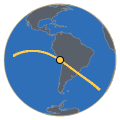 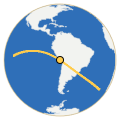 Map → |
| 28 Sept 2034 | Partial lunar | 02:46:27 | – | 27m | Americas, Europe, Africa |   Map → |
| 22 Feb 2035 | Penumbral lunar | 09:05:02 | – | Penumbral only | Eastern Asia, Pacific, Americas |   Map → |
| 9 Mar 2035 | Annular solar | 23:04:44 | 48s | – | Australia, New Zealand, Southern Pacific | 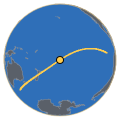 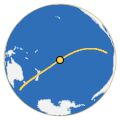 Map → |
| 19 Aug 2035 | Partial lunar | 01:11:05 | – | 1h 17m | Americas, Europe, Africa |  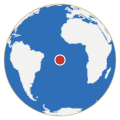 Map → |
| 2 Sept 2035 | Total solar | 01:55:36 | 2m 54s | – | Eastern Asia, Pacific | 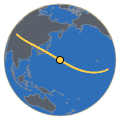 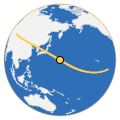 Map → |
We may earn a small commission, at no extra cost to you. Affiliate disclosure
Last updated
Frequently asked questions
What is the difference between total, annular and partial eclipses?
Total: the Moon covers the Sun completely and the corona appears. Annular: the Moon is a little too far from Earth, so a bright ring of Sun stays visible and you need glasses throughout. Partial: the Moon only covers part of the Sun.
How often are there total solar eclipses?
About once every 18 months somewhere on Earth, but any single place waits on average around 375 years between totalities. That is why people travel.
What does eclipse magnitude mean?
Magnitude is the fraction of the Sun's diameter covered by the Moon. 0.80 means 80% of the width is covered. It is not the same as “% covered”, which on this site always means obscuration, the share of the Sun's area hidden: a magnitude of 0.80 hides only about 75% of the Sun's area. Anything 1.00 or above at your spot means a total eclipse.
What is a blood moon?
The popular name for a total lunar eclipse, when the Moon turns red in Earth's shadow. It is safe to watch with the naked eye and visible from the whole night side of Earth.
What is a saros?
A cycle of about 18 years, 11 days and 8 hours after which the Sun, Moon and Earth return to almost the same geometry, so a very similar eclipse repeats. Eclipses in one saros series are numbered as a family.