
Flights

Egypt has the longest totality, and Spain, Morocco and Tunisia are closer to Europe. Choose an airport on the path, then add where you're flying from.
Book your flightsAirports on the path
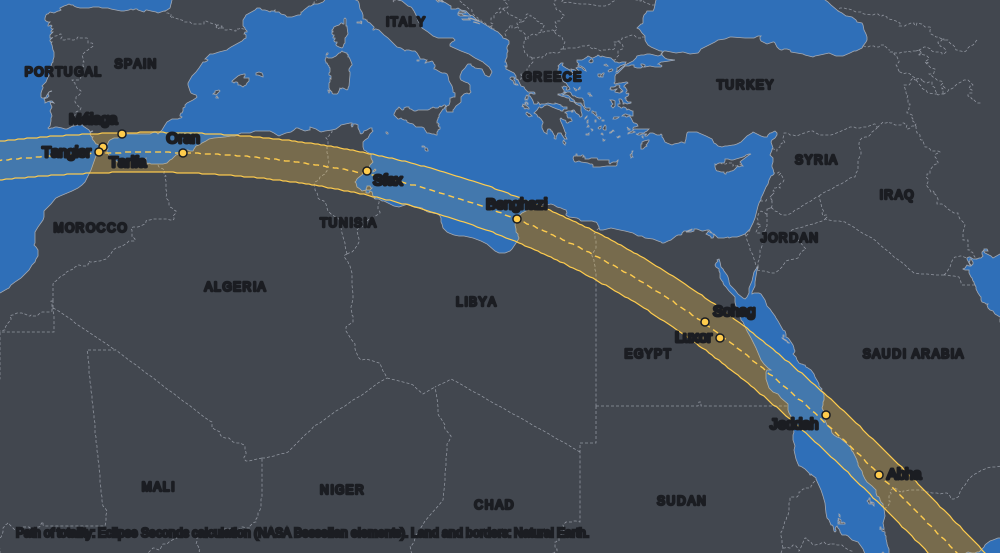
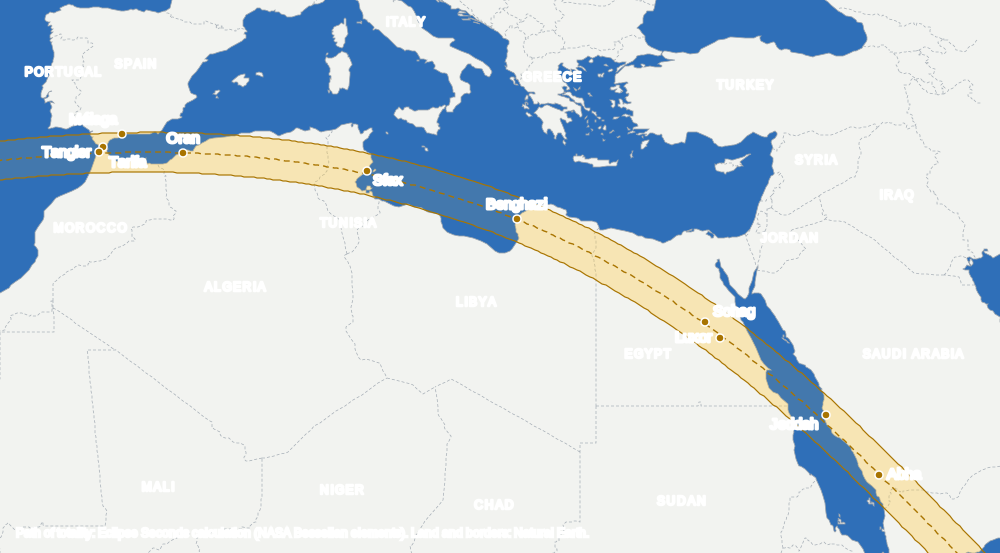
Totality across Spain, North Africa and Arabia, up to 6 minutes 23 seconds on land, on the centre line near Sohag in Egypt. Find out exactly how many seconds you get, down to the spot you stand on.
2 August 2027 · Spain, North Africa & Arabia
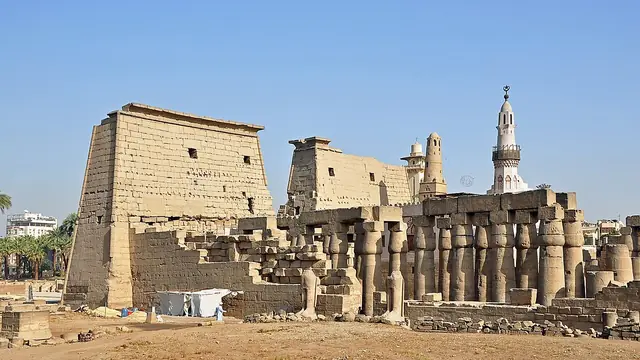
In Luxor (among the longest totalities on land) the Sun disappears at 13:02:07 EEST local time and stays hidden for 6m 21s at the town centre. Pick your spot to count down to totality where you'll stand.
Search a hotel, beach or hilltop and get contact times in local time, seconds of totality and Sun altitude, calculated for the exact coordinates.
Egypt has the longest totality, and Spain, Morocco and Tunisia are closer to Europe. Choose an airport on the path, then add where you're flying from.
Book your flights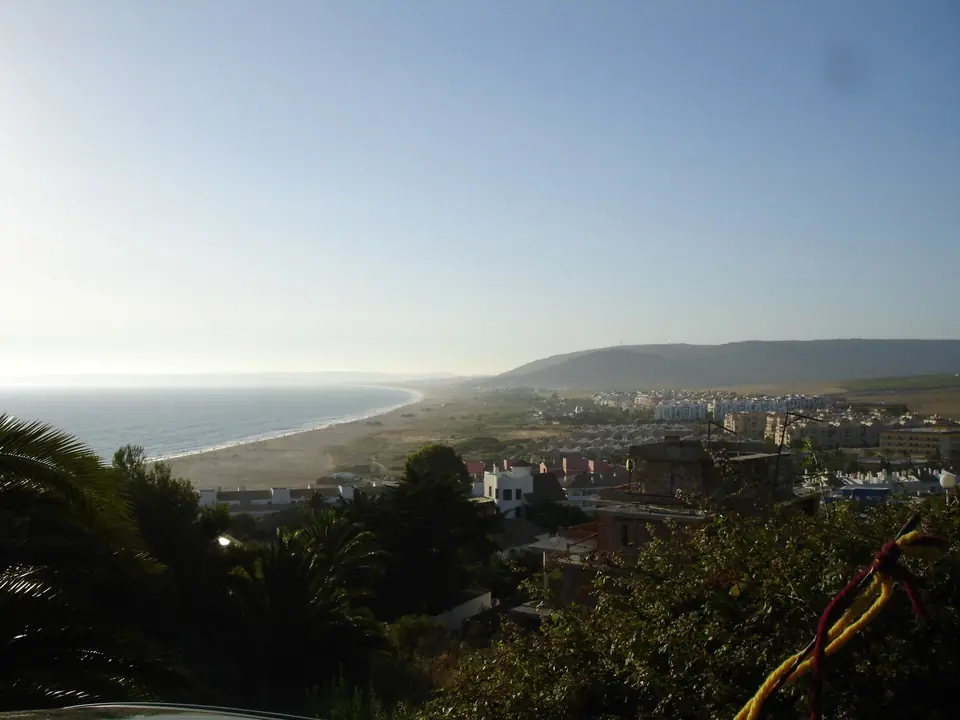
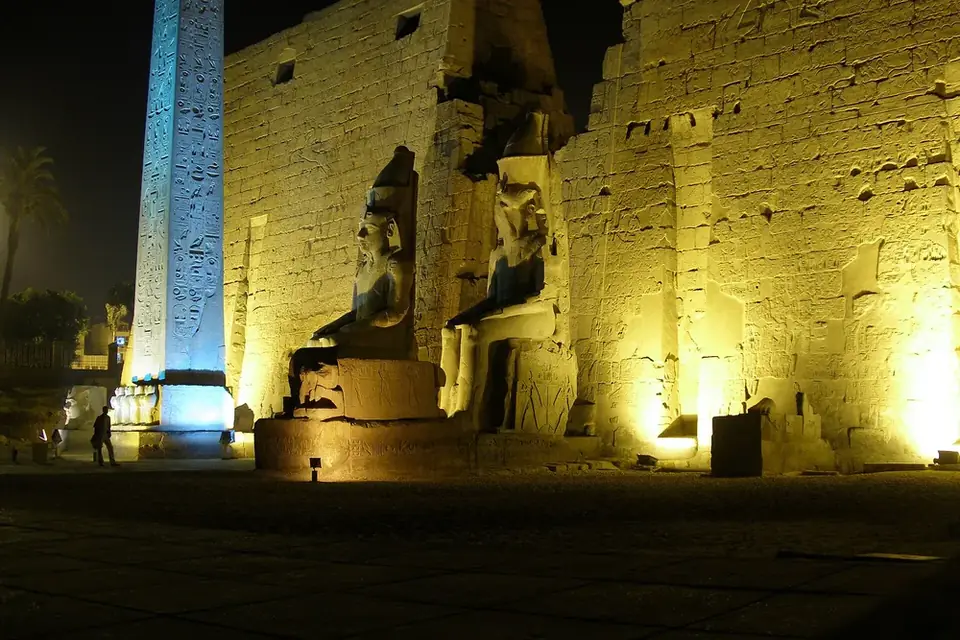

Turn the trip into more than one morning, from Luxor to Tarifa.
Book a tour or guideEvery link opens the partner's site in a new tab. We may earn a small commission if you book, at no extra cost to you. Affiliate disclosure
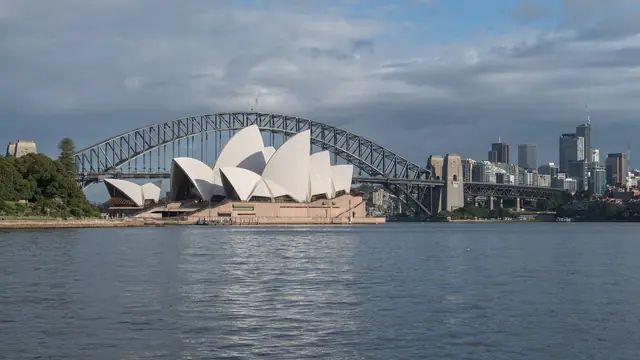
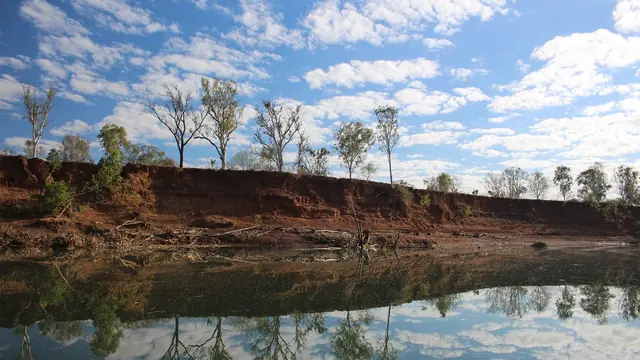
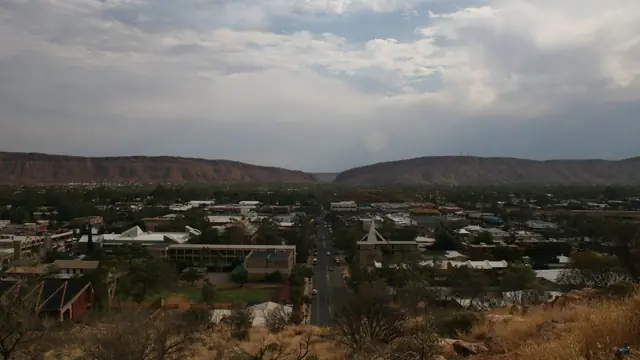
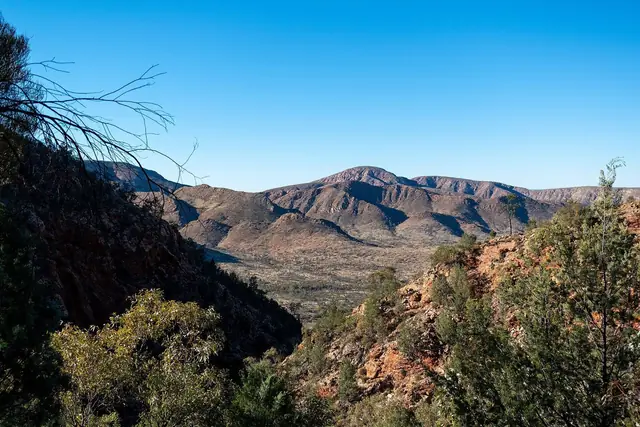
Sydney is the big gateway. For the Kimberley, fly on to Kununurra; Alice Springs is a drive-in gateway outside the path, about 405 km by road from Karlu Karlu / Devils Marbles; Dunedin is the New Zealand option. Choose an airport, then add where you're flying from.
Book your flights

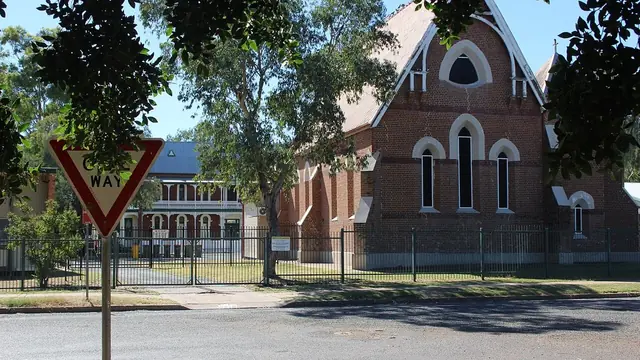
Outback towns have only a few rooms each, so book as soon as your dates are fixed.
Book your stay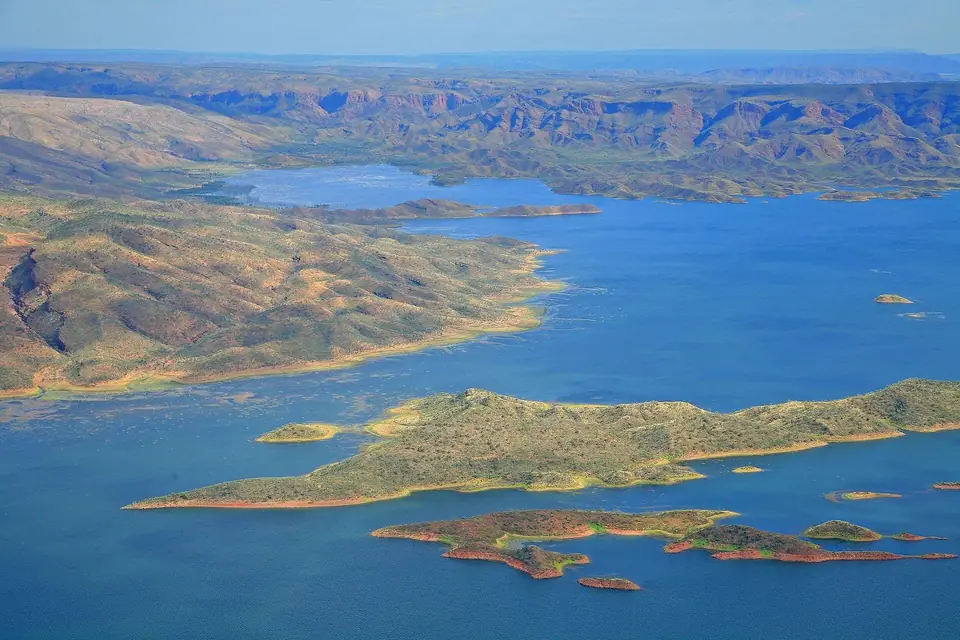
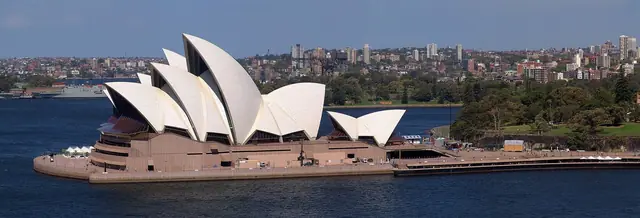
Make a few days of it, from Sydney Harbour to the Kimberley.
Book a tour or guideEvery link opens the partner's site in a new tab. We may earn a small commission if you book, at no extra cost to you. Affiliate disclosure
The next total solar eclipse after 2027 crosses Australia from the Kimberley to Sydney, then New Zealand's South Island. Sydney is inside the path.

Quick guide to the words you'll see on this site.
Totality changes fast across the path. In Cádiz it lasts 2m 54s; in Tarifa, about 85 km away, 4m 39s. Every number here is calculated for exact coordinates from NASA Besselian elements and checked to within 1–2 s against independent calculators.
2 August 2027
Your eclipse deserves more than guesswork. Get exact timings, cloud forecasts and expert guides to make every moment count.
Checking availability…
Free
FreeNo card neededExact times, weather updates and helpful guides, delivered free.
4 free benefits
Everything you need, right when you need it. Get your exact eclipse times, updated cloud forecasts and practical tips delivered to your inbox as the big day approaches.
Everything you need for an unforgettable eclipse. What to expect, how to watch safely, what to bring and how to make the most of the experience with friends and family.
Capture the moments you'll never want to forget. Simple camera and smartphone settings, essential equipment and practical tips for photographing the eclipse.
A free monthly guide to upcoming sky events, with general viewing tips and guides to help you prepare.
Cloud forecasts become available within forecast range. Historical cloud averages are not forecasts, and clearer skies are never guaranteed.
The narrow track, usually 100 to 250 km wide, swept across Earth by the Moon's umbra. Only people inside it see the Sun fully covered. Just outside it, you get a deep partial eclipse that is a very different experience.
After 12 August 2026 the next is 2 August 2027, crossing southern Spain, North Africa and Arabia with up to 6m 23s of totality on the centre line near Sohag in Egypt (6m 22s in Sohag town centre). Then 22 July 2028 over Australia and New Zealand.
Within about 1 to 2 seconds of NASA's own predictions for the same spot. We compute from NASA Besselian elements and check against published NASA and Xavier Jubier figures.
They are the four 'contacts' of an eclipse. C1: the Moon first touches the Sun and the partial eclipse begins. C2: the last sliver of Sun disappears and totality starts. C3: the Sun reappears and totality ends. C4: the Moon leaves the Sun and the eclipse is over.
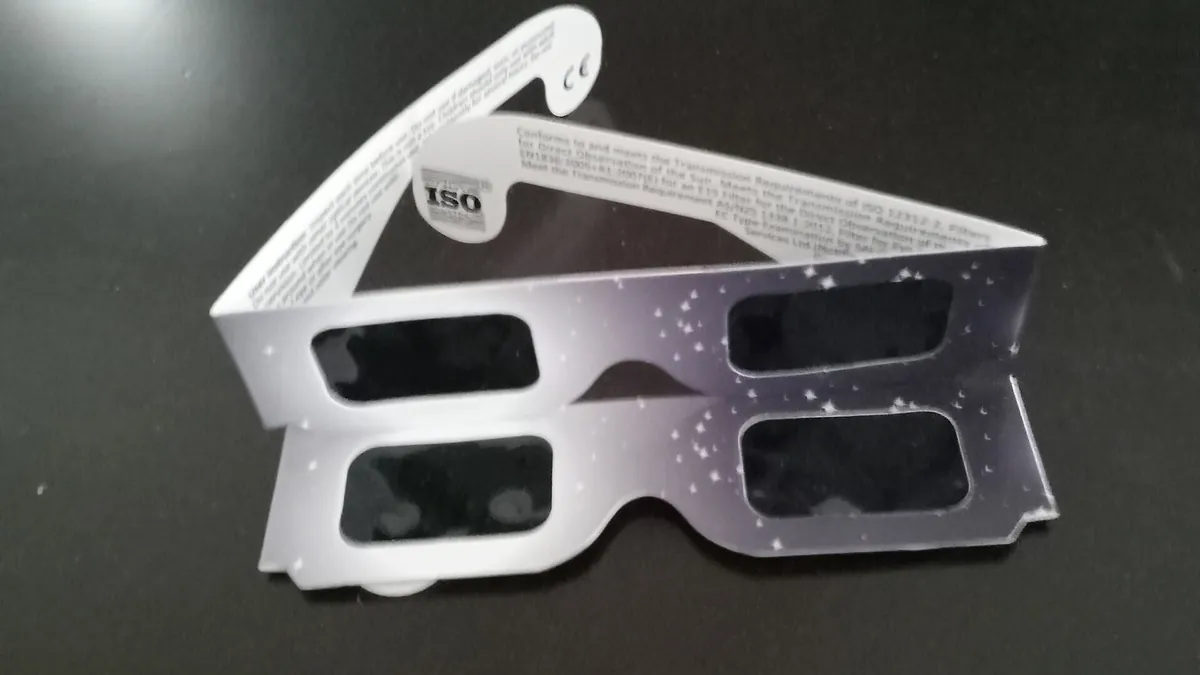
Yes, for every moment the Sun is even slightly uncovered. Use ISO 12312-2 certified glasses from a reputable seller. Only during totality itself is it safe to look with the naked eye.
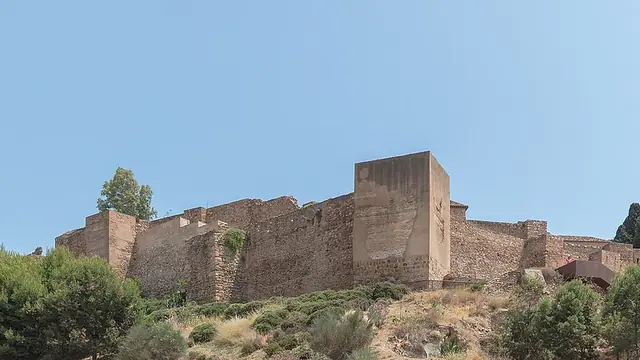
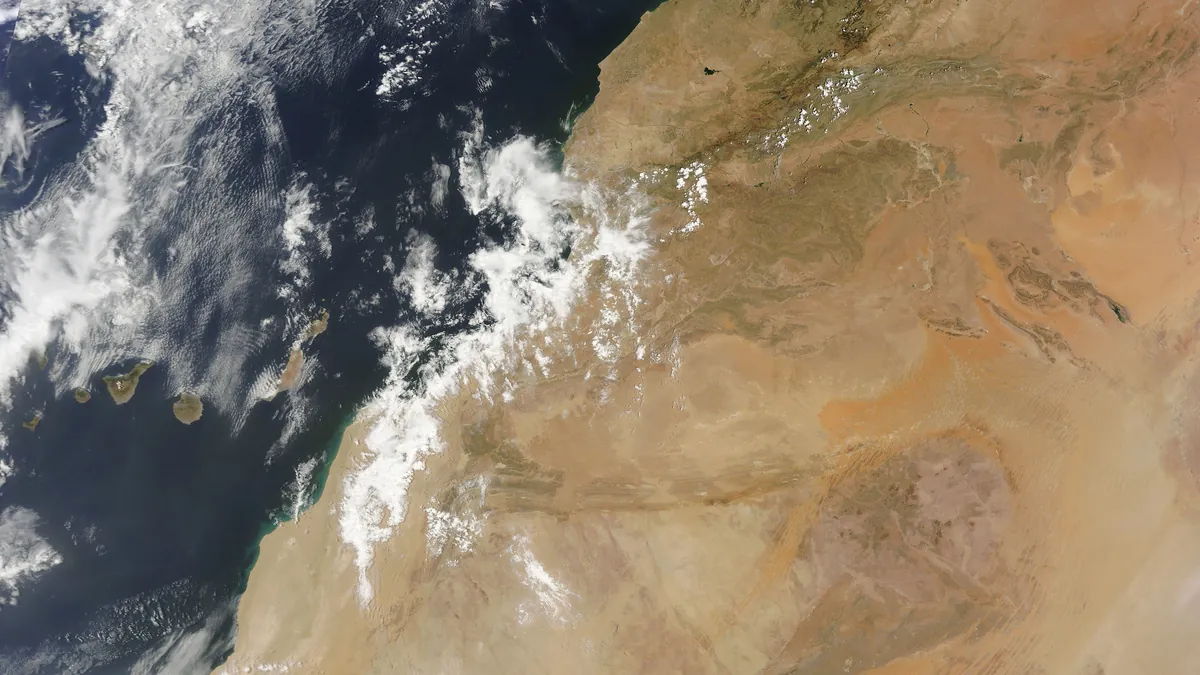
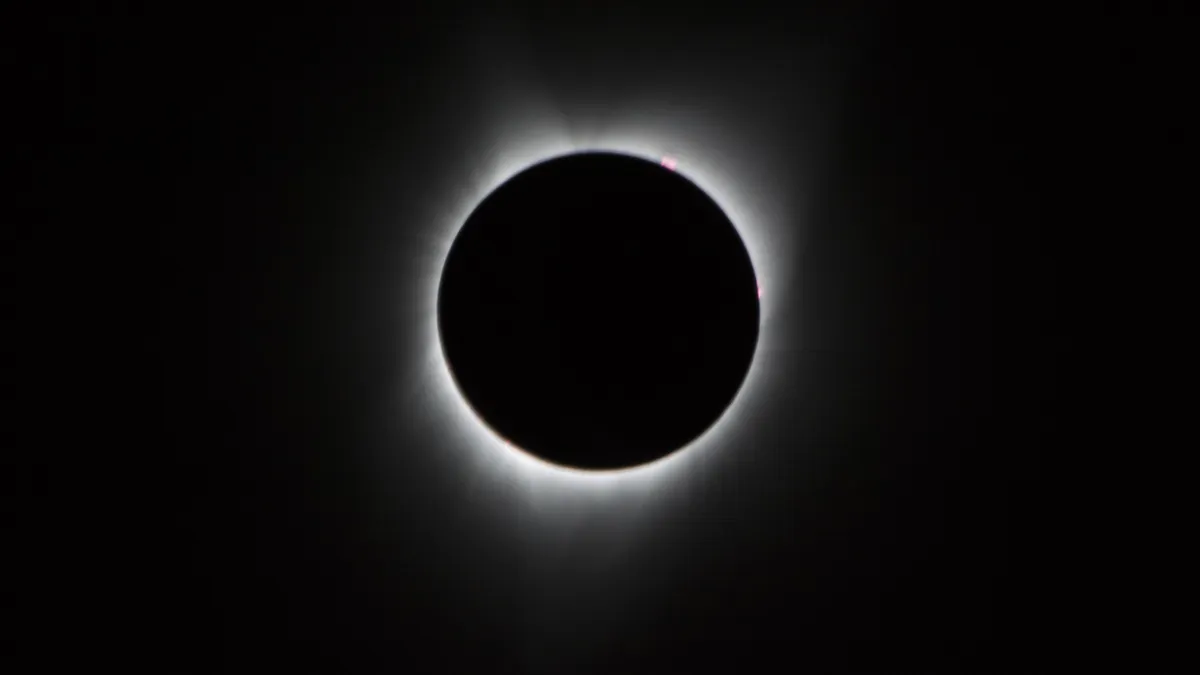
Photos on this page come from Wikimedia Commons and are used under the licence shown. We cropped and resized them to fit; the originals are at each source link.
Kiwi.com, Expedia and GetYourGuide names and logos are trademarks of their owners, shown only to name the partner each link goes to.